Your Roadmap — Before Anything Else
A full developmental workup in week zero: developmental history, a live movement and reflex screen your coach walks you and your child through on video, sleep and behavior logs, and input from your child's teacher. You get back a detailed picture of your child across five foundational domains — and the sixteen-week plan built from it. For most parents, it's the first time anyone has shown them what, specifically, is going on.
Weekly 1-on-1 Coaching
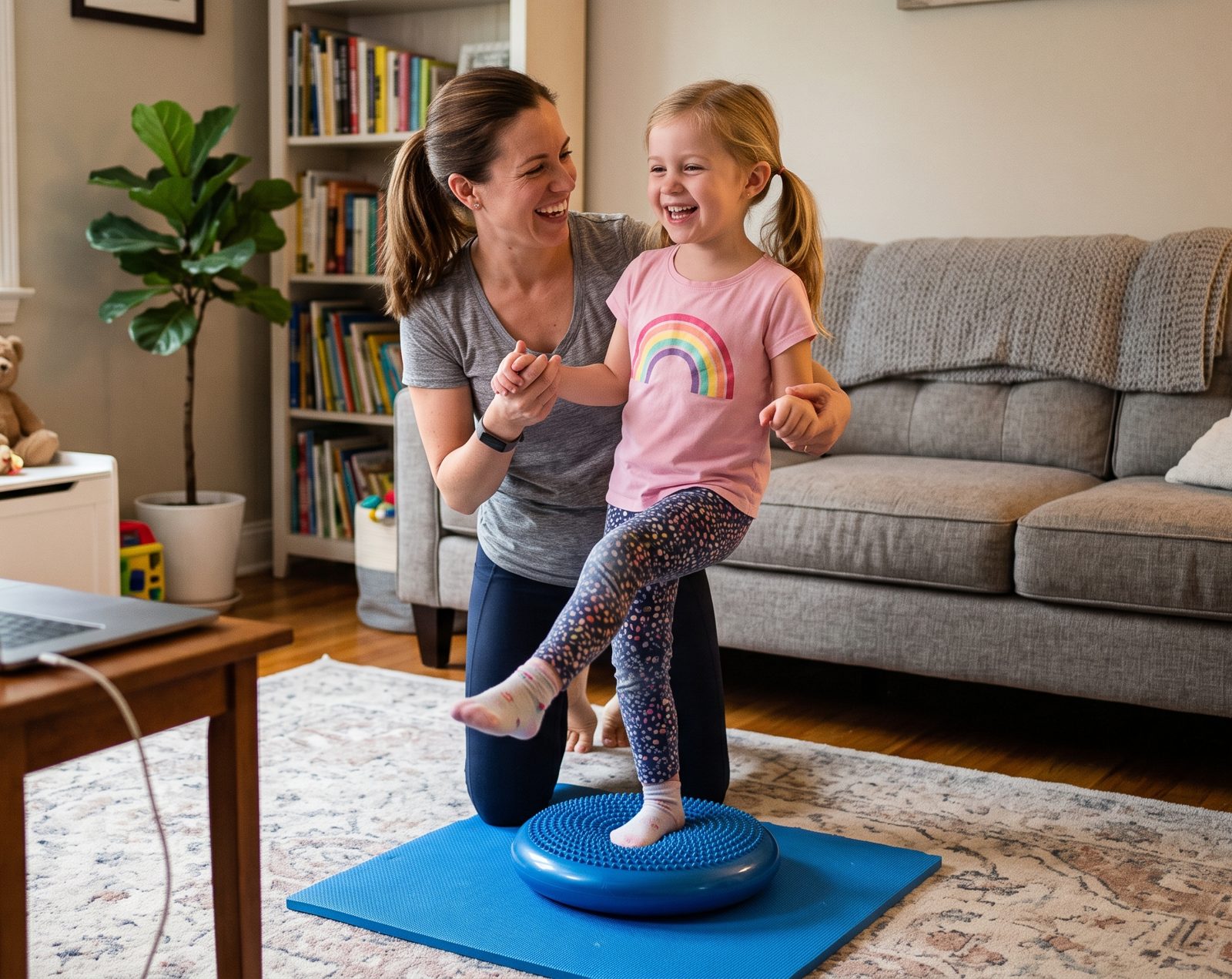
Sixty minutes every week with your Neural Bridge coach. They review your child's week before the call, adjust the protocol, and teach you the next progressive skills — how to run the movement, how to look for the wrong aspects and correct them, and how to measure progress.
A Plan That Moves With Your Child
Your child works at their own level in each area we're developing — processing, perception, eye movement, coordination, balance. Every week your coach reviews how they're actually progressing against specific, measurable markers tied to the underlying skills we're building, and adjusts the plan from there. Some weeks that means advancing. Some weeks it means holding steady or easing back so the foundation has time to consolidate. Either way, the work your child does next week reflects where they genuinely are — not a fixed schedule written before we met them.
Your Home Kit
Before you start, we'll ship you the equipment the program uses. It's yours to keep, and it's what your child will be working with every day.
The Daily App
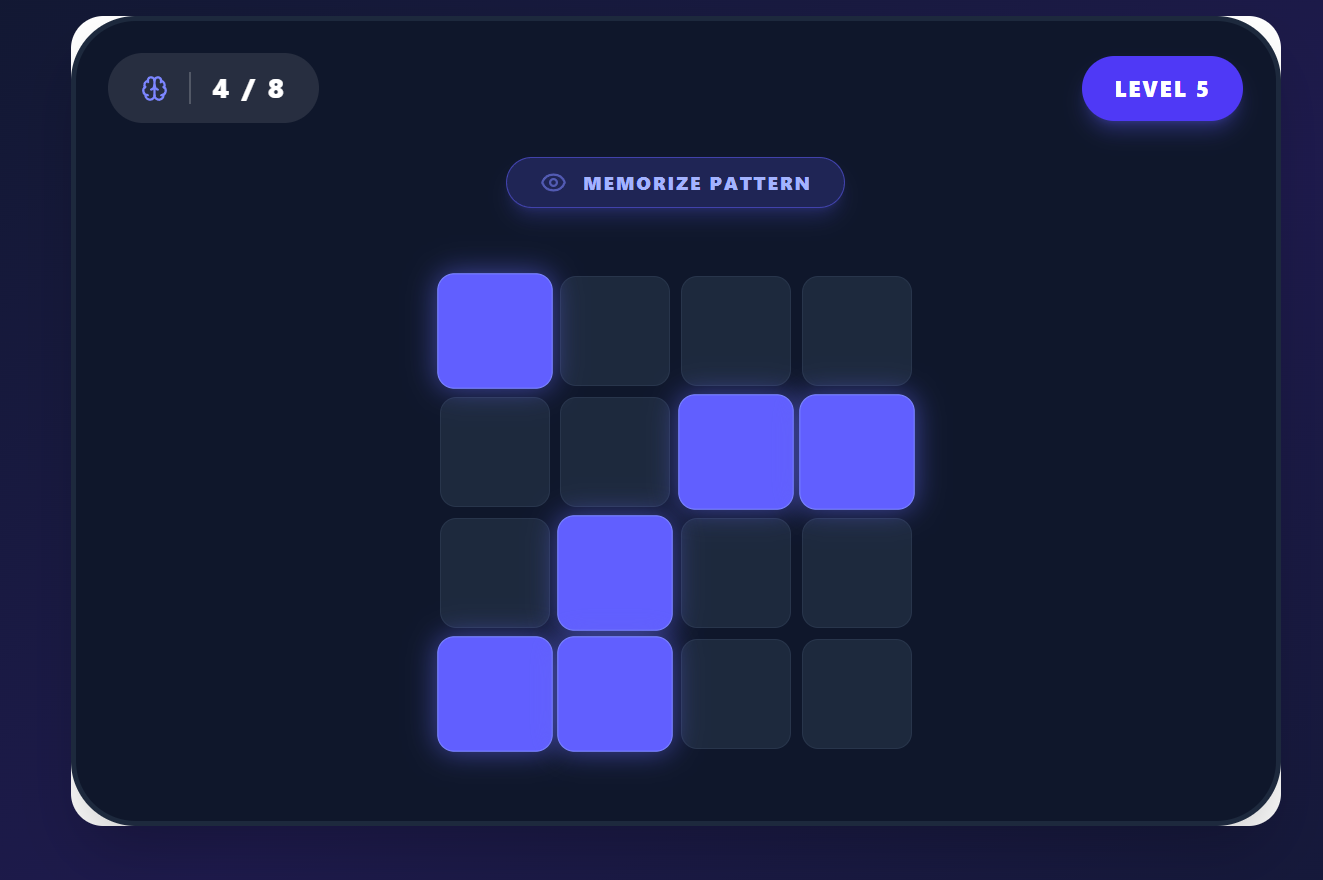
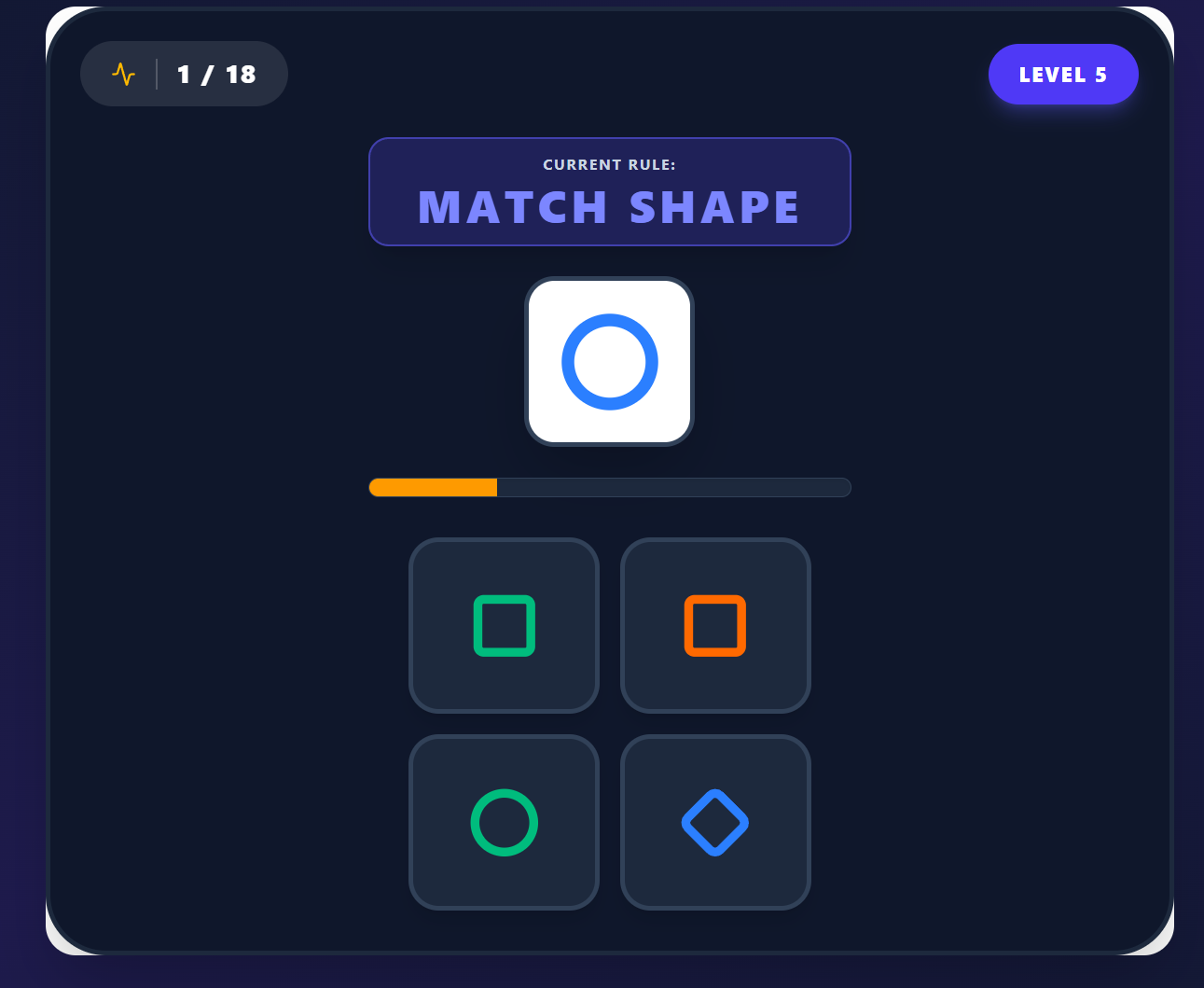
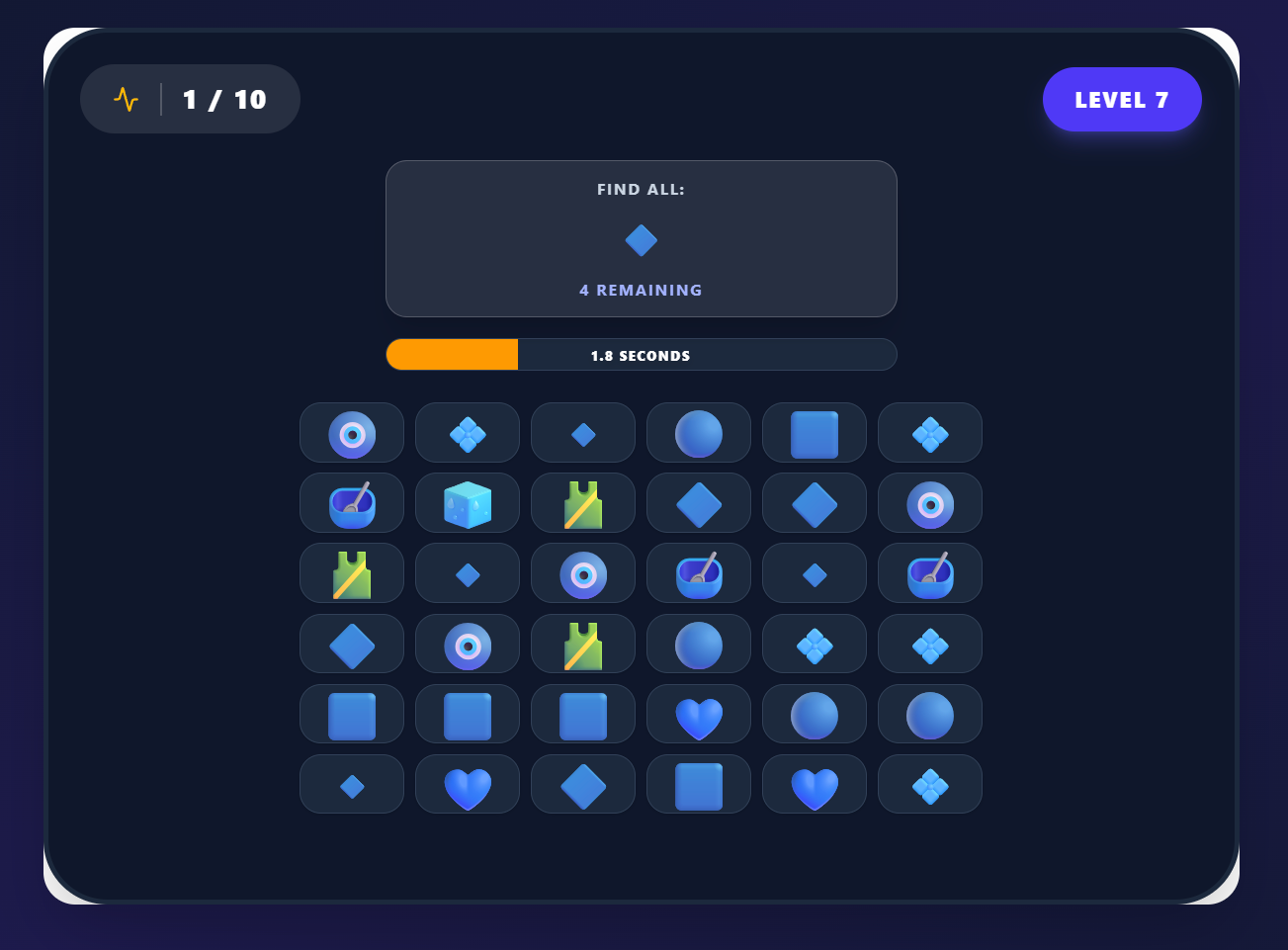
Twenty minutes a day, six days a week: a sensorimotor block, a cognitive block, a 60-second parent log, and a reward economy that keeps your child in the game. Because you log daily, your coach isn't guessing — the plan adapts every week, not every three months.
Analytics That Show You It's Working
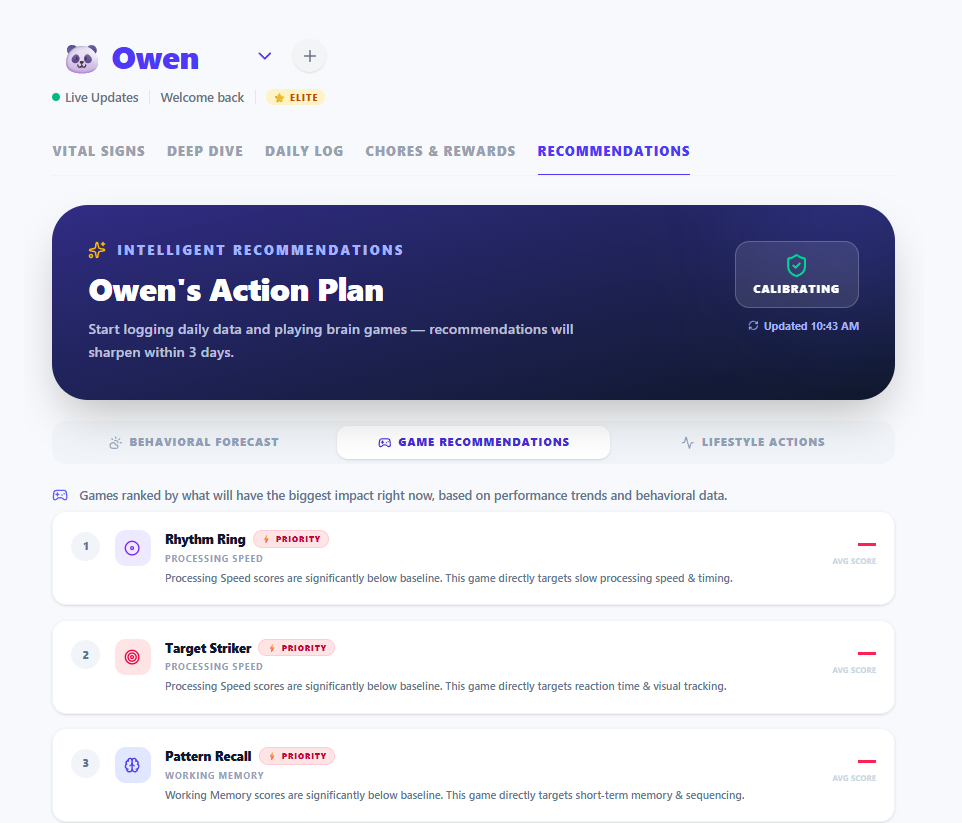
Every game session, every completed exercise, every evening log feeds a picture of how your child is actually doing — attention, working memory, processing speed, regulation — that fills in over the weeks. It spots patterns you couldn't see from inside the day, flags when a hard day is likely before it arrives, and gives you and your coach the same view. You're never left doing the work on faith.
A Written Exit Plan — and the App Stays
Most programs end at a cliff. Week 16 ends with a full re-screen, an updated roadmap showing what moved, and a twelve-month maintenance plan in writing with clear direction and final goals. And because your child has spent four months building a daily habit in the NeuralKids app, the plan is built around it: graduates can keep the app — the games, the chores and rewards economy, the progress tracking.